Fleet care
Mobile Fleet Detailing in Kern County: A Practical Guide for Small Businesses
Plan vehicle cleaning around your workday with a straightforward checklist for fleet size, location, priorities, and scheduling.
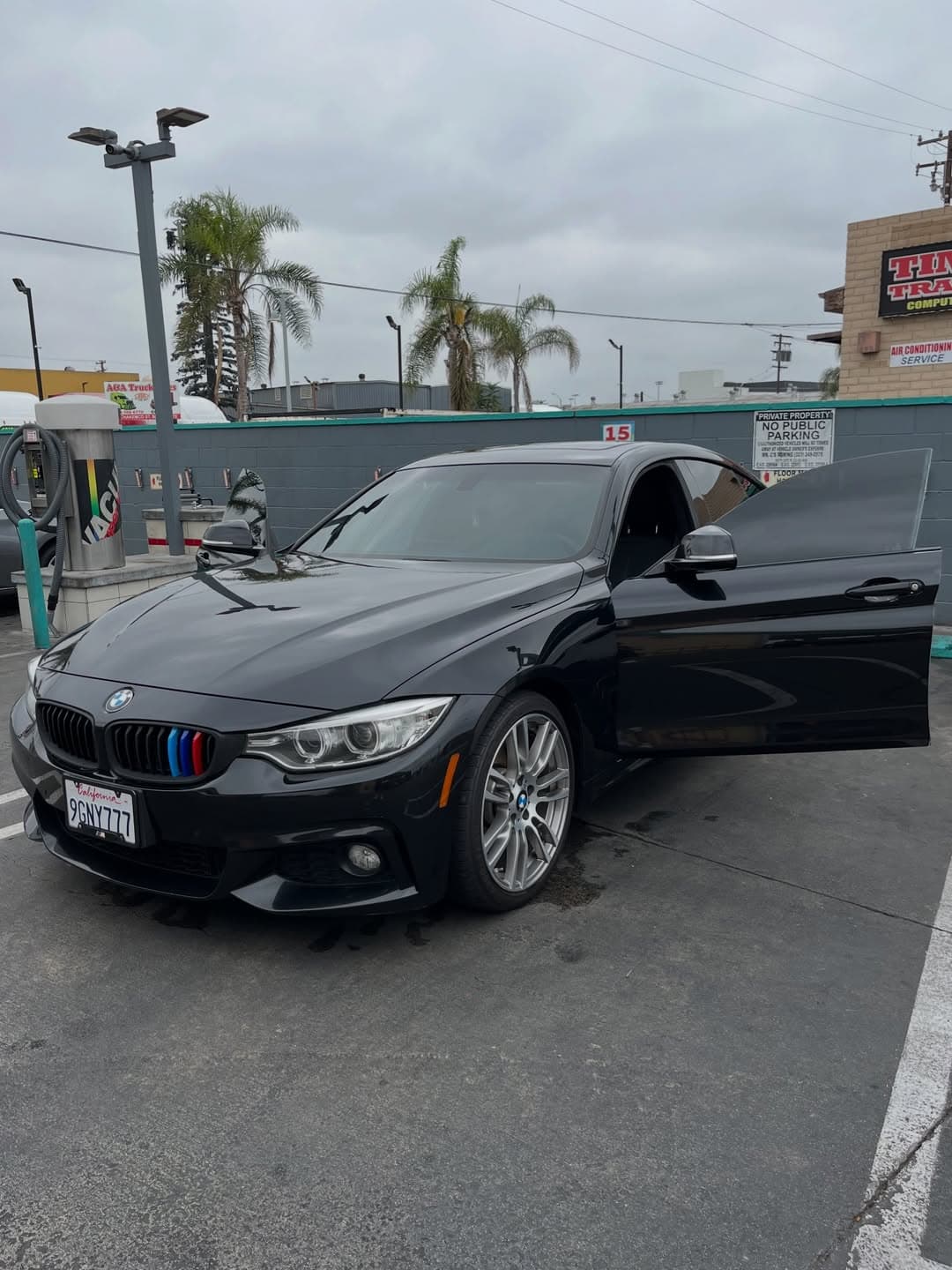
For a small business, a work vehicle is often a moving part of the workday. Keeping company cars, vans, or trucks presentable can be easier when cleaning is planned around where the vehicles already park and when they are available.
Mobile fleet detailing can bring service to a suitable workplace or lot, subject to scheduling and safe access. The right plan depends on the vehicles, the location, and what your team needs—not simply on the number of vehicles.
Decide what matters most for your vehicles
A customer-facing sales car may need a clean cabin and exterior. A service truck may collect dirt around the driver's seat and benefit from regular attention to high-use surfaces. A shared vehicle may need belongings cleared between drivers before cleaning can begin.
Start by listing the jobs you want done: exterior washing, cabin cleaning, glass, or a combined interior and exterior detail. Be clear about specialty needs and ask whether the requested work is available. Packages and results can differ by vehicle condition.
Gather the details for a useful quote
Before contacting a detailer, note:
- The number and type of vehicles, including trucks, SUVs, vans, and any larger vehicles.
- The service location and whether vehicles can be parked with safe access around them.
- The condition of each vehicle and any concerns such as heavy soil, pet hair, stains, or odors.
- The services you want and any areas that should not be disturbed.
- Your preferred days, hours, and whether vehicles must be returned to service at different times.
For equipment-heavy work vehicles, explain what can be moved and what must remain in place. Avoid sharing keys or access instructions until the appointment and handoff have been agreed upon.
Plan around operations
Consider grouping vehicles that are available at the same time, or asking about a staggered schedule if the team relies on them during the day. Confirm the location, expected duration, access arrangements, and the person who can answer questions on site. Apartment, shared, or managed lots may have their own rules, so check with the property manager when needed.
A recurring plan can be useful, but the interval should match your mileage, vehicle use, exposure, and budget. A vehicle used daily on dusty routes may need attention sooner than a lightly used office car. Review the condition after the first visit and decide what makes sense rather than committing to an arbitrary schedule.
What should a fleet quote cover?
Ask for the scope of work, vehicle count and size, location, timing, and any condition-related extras. Confirm whether the price applies per vehicle or to the group, and how changes to the vehicle count will be handled. Keep the agreed details in writing so both sides know what to expect.